Beginners Guide to Vaping Overview
Explore the basics of beginners guide to vaping: start with a low‑maintenance disposable pod, nicotine salt formula, and familiar flavor. Learn mouth‑to‑lung technique, coil priming, and safe nicotine levels. This overview equips new users with clear steps to enjoy vaping responsibly. for beginners & safe

Choosing Your First Device
Begin with a disposable pod for simplicity, then progress to a refillable pod or vape pen. Consider battery life, size, and ease of use. Pods offer low maintenance, while pens provide more flavor control. Choose a device that matches your lifestyle and vaping goals. Check battery capacity and coil size for each performance.
Disposable Vapes vs. Refillable Systems
Disposable vapes are single‑use devices that come pre‑filled with e‑liquid and a pre‑installed coil. They offer instant convenience, no maintenance, and a predictable nicotine delivery, making them ideal for beginners who want a hassle‑free experience. Each unit is sealed, so there is no risk of leaking or mis‑handling liquids, and the battery is typically pre‑charged to a set level, ensuring consistent performance until the device is empty. The main drawback: disposables can be more expensive over time, and the environmental impact is higher due to single‑use plastic and metal components that are not recyclable in many regions. They also lack customization; users cannot change flavors, nicotine strength, or coil resistance, which limits experimentation and long‑term savings. Refillables offer flexibility: users can choose from a wide range of nicotine concentrations, from low (3–6 mg/mL) to high (up to 50 mg/mL), and can switch between nicotine salt and freebase formulations to suit their preference. The ability to change flavors and nicotine levels encourages experimentation and can reduce overall costs, especially for frequent users. However, they require regular maintenance: priming coils, cleaning tanks, and replacing coils when they become dull. For beginners, the learning curve can be steeper, and improper handling can lead to leaks or uneven flavor delivery. Nonetheless, the long‑term benefits of cost savings, environmental friendliness, and personalized vaping experience make refillable systems a popular choice for those who plan to continue vaping beyond the initial trial period
Nicotine Strength and Salt vs. Freebase

Choosing the right nicotine strength and understanding the difference between nicotine salt and freebase is essential for a comfortable start. Nicotine salts, formulated with an acid, provide a smoother throat hit and allow higher concentrations (up to 50 mg/mL) without harshness, making them popular for pod systems and beginners who prefer a quick nicotine hit. Freebase nicotine, the traditional form, delivers a cleaner taste and is typically found in higher‑wattage devices; it requires lower concentrations (3–6 mg/mL) for a similar effect. Beginners often begin with 3–6 mg/mL nicotine salt to gauge tolerance, then adjust to higher levels if desired. Switching to freebase can be done by using a refillable tank and a compatible coil, but the user must be mindful of wattage and airflow to avoid a dry hit. The choice between salt and freebase also influences the device’s power requirements: salt nicotine is designed for low‑power, low‑wattage pens, whereas freebase thrives on higher wattage and temperature control. Understanding these nuances helps avoid irritation, ensures consistent flavor, and allows gradual nicotine reduction if quitting is a goal. Always read the manufacturer’s recommendations for coil resistance and wattage limits, and keep track of how your body responds to each change. When selecting a nicotine strength, consider your previous smoking habits, desired withdrawal relief, and the device’s airflow. A common strategy is to start at the lowest available strength and incrementally increase by 1–2 mg/mL until the desired satisfaction is achieved. Many pod systems provide a nicotine strength indicator on the device or app, allowing precise tracking. For many users, the transition from a 3 mg/mL pod to a 6 mg/mL tank can feel like a jump, so gradual increases are recommended. Always follow safety guidelines for best results.

Getting Started with Vaping
Begin with a low‑maintenance disposable pod, choose a familiar flavor, and follow the mouth‑to‑lung technique. Prime the coil, pull gently, and adjust airflow for smoothness. Keep device clean and monitor nicotine levels for a safe, enjoyable experience. Stay hydratedEnjoyStay
Priming Your Coil
Priming a coil is a crucial step that ensures smooth vapor production and prevents dry‑burns. The process involves saturating the wick with e‑liquid before the first puff. Start by removing the coil from its housing if your device allows it, or simply open the top of the tank. Gently pour a few drops of your chosen e‑liquid into the coil chamber, making sure the liquid reaches the wick. Avoid overfilling; a saturated wick is enough, as excess liquid can cause leaking. After adding the liquid, let the coil sit for a minute or two to allow the wick to absorb fully. This waiting period is especially important for new or dry coils, as it helps the material settle and reduces the risk of a harsh taste. Once primed, reassemble the device and perform a short test puff. If the vapor feels thin or the taste is burnt, you may need to add a few more drops. Some users prefer to “tuck” the coil by gently pressing the wick into the chamber, which can help secure the liquid. For pod systems, simply place the pod back into its base and ensure the seal is tight. In refillable tanks, check that the airflow holes are not blocked and that the wick is not frayed. Remember that priming is not a one‑time event. Whenever you change e‑liquid or replace a coil, repeat the priming steps. Consistent priming leads to longer coil life, better flavor, and a safer vaping experience. By following these simple steps, beginners can avoid common pitfalls and enjoy a satisfying first puff. Store the device in a cool, dry place and avoid extreme temperatures to keep performance optimal today daily.
First Pull Technique
Mastering the first pull is essential for a smooth vaping start. Hold the device firmly and keep the mouthpiece clean. On a pod, press the button once and inhale slowly, letting vapor travel from mouthpiece to lungs. For tank or pen devices, use a gentle, steady draw; avoid rapid pulls that can overheat the coil. Inhale for 2–3 seconds, pause, then exhale slowly. This rhythm vaporizes e‑liquid evenly and reduces a harsh throat hit. New users often think a quick, hard puff equals a stronger hit, but a controlled, moderate inhale delivers a smoother experience. Keep the device at a low power setting—most starter kits default to 10–15 W. If a burning sensation occurs, lower the wattage or switch to a lower nicotine strength. Let the vapor cool slightly before the next inhale; this lessens irritation and improves flavor; After the first pull, pause about 30 seconds before another draw; Consistent practice helps you gauge performance and adjust settings.
Airflow is crucial. A tighter airflow produces denser vapor and a stronger throat hit, while a looser setting offers a milder, smoother inhale. Start with medium airflow and adjust based on taste. Always fill the tank to the recommended level; an empty or low tank can cause dry‑burns and coil damage. Keep the battery fully charged; low voltage can result in weak vapor and inconsistent heating.
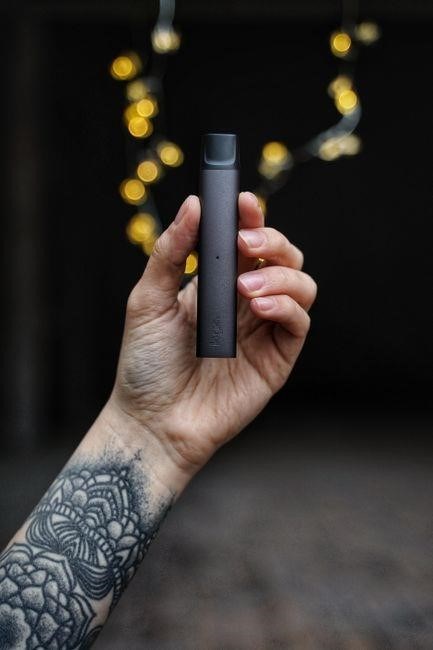
Use low nicotine to ease the transition from smoking. Enjoy the flavor and!! Remember to adjust airflow and power as you become more comfortable. Try different flavors to find what you enjoy most. Keep your device clean to maintain optimal performance!!!
Safety and Health Considerations
Beginners guide to vaping stresses low nicotine, proper coil priming, and safe airflow. Avoid over‑charging batteries, keep devices clean, and use reputable e‑liquid brands. Monitor for coughing or throat irritation; if persistent, reduce nicotine or seek medical advice!! !
Common Side Effects
For those new to vaping, several mild symptoms may arise as the body adjusts to nicotine and vapor constituents. The most frequent complaints include a brief coughing fit, throat irritation, or a dry, scratchy sensation in the mouth and throat. These reactions are typically transient and ease within a few days of consistent use. Other common sensations are a mild dizziness or light‑headedness, especially when taking a deep inhale or when nicotine levels are high. Some users report a temporary increase in heart rate or a racing pulse, which can be uncomfortable but is usually short‑lived. Nausea, headaches, or a metallic taste in the mouth may also appear, particularly if the device is set to a high wattage or if the e‑liquid contains a high concentration of propylene glycol. In rare cases, individuals with a history of anxiety or panic disorders may experience heightened anxiety or panic attacks triggered by the nicotine surge. If any of these symptoms persist beyond a week, worsen, or interfere with daily activities, it is advisable to reduce the nicotine strength, switch to a lower‑PG or higher‑VG e‑liquid, or pause vaping altogether. Staying hydrated, taking short breaks between sessions, and ensuring the device is properly primed and cleaned can also mitigate many of these side effects. When in doubt, consulting a healthcare professional or a knowledgeable vape shop specialist can provide personalized guidance and help ensure a safer, more comfortable vaping experience for beginners. Some users may also notice mild nausea after prolonged use.

Regulations and Age Restrictions
In the United States, the federal minimum age for purchasing nicotine products, including e‑cigarettes, was raised to 21 by the FDA in 2019. This mandate applies to all retail outlets, online vendors, and vape shops. States and localities may impose stricter rules; for example, some cities require a 25‑year‑old age limit for vape shops. The FDA also enforces packaging and labeling requirements: e‑liquids must display a health warning, nicotine content, and ingredient list. Flavored e‑liquids aimed at youth are heavily regulated; many states ban menthol and fruit flavors in disposable pods. The European Union’s Tobacco Products Directive sets a 18‑year minimum age and limits nicotine concentration to 20 mg/mL, with a maximum of 10 mg/mL for e‑liquids sold in the EU. In Canada, the Cannabis Act and the Tobacco and Vaping Products Regulations require a 18‑year minimum age, mandatory health warnings, and a ban on flavored tobacco products that appeal to minors. Internationally, countries such as Australia and New Zealand have strict import controls and require a 18‑year minimum age, plus a 10 mg/mL nicotine limit. Compliance is monitored through random product testing and penalties for non‑compliance. Consumers should verify age verification procedures at point of sale, check for proper labeling, and avoid purchasing from unlicensed vendors. Staying informed about local legislation helps prevent accidental purchase of restricted products and ensures a safer vaping experience for all users.
- Federal minimum age: 21 (USA)
- EU: 18, max 10 mg/mL nicotine
- Canada: 18, flavored ban
- Australia/NZ: 18, 10 mg/mL limit
- Always check for FDA/EMA labeling
Vapers should also be aware that some states require a 30‑day waiting period for first‑time purchases, and that online sales are prohibited for anyone under the legal age, with strict verification protocols in place.

Maintenance and FAQs
Proper maintenance keeps your device safe and efficient. Clean the tank, replace coils every 2–3 weeks, and store in a cool dry place. Common FAQs cover battery safety, coil lifespan, and troubleshoot low vapor output. Follow maker guidelines for best results. Always keep batteries charged and never mix e‑liquids.
Cleaning Your Device
Cleaning your vaping device ensures optimal performance, extends component life, and maintains flavor integrity. Start by removing the tank or pod from the battery. Use a soft brush or cotton swab to gently wipe the mouthpiece, avoiding excessive moisture that could damage electronics. For the tank, disassemble any removable parts: the atomizer, coil, and reservoir. Rinse each component with warm water and a mild soap, then rinse thoroughly to remove all residue. Avoid using harsh chemicals or alcohol on the battery case, as these can corrode contacts. After rinsing, dry all parts with a lint‑free cloth or let them air dry for at least 24 hours before reassembly. When cleaning the coil, replace it if it shows signs of clogging or flavor loss; a fresh coil improves vapor quality; Periodically inspect the battery terminals for corrosion; if present, gently polish with a cotton swab and a small amount of isopropyl alcohol, then dry. Store the device in a cool, dry place, and keep it away from direct sunlight or extreme temperatures to prevent battery swelling. Regular cleaning not only preserves taste but also reduces the risk of device malfunction, ensuring a safe and satisfying vaping experience for beginners and seasoned users alike. Remember to keep the battery contacts dry and extends battery life!!and keep it clean!!

Replacing Coils and Tanks
Replacing coils and tanks is a routine task that keeps your vaping experience smooth and flavorful. Begin by turning off the device and removing the tank or pod from the battery. Inspect the coil for signs of clogging, discoloration, or a burnt taste—these are clear indicators that a replacement is needed. For most pod systems, simply slide the new coil into the cartridge slot, ensuring it sits flush. In tank systems, unscrew the atomizer, pull out the old coil, and insert the new one, tightening the lock ring to secure it.
Next, address the tank. If the tank is a refillable pod, replace the entire pod if it’s a single‑use design. For larger tanks, remove the reservoir and clean it with warm water and a mild soap. Rinse thoroughly to eliminate any residual e‑liquid, then dry completely. If you notice any buildup on the atomizer or inside the tank, use a soft brush or cotton swab to gently scrub away deposits. Avoid using harsh chemicals or alcohol on the tank’s plastic components, as they can degrade the material.
After cleaning, refill the tank with your preferred e‑liquid, making sure not to overfill to prevent leaking. Reassemble the device, ensuring all parts are snug but not over‑tightened. Finally, perform a test puff to verify that the new coil delivers smooth vapor and that the tank holds the liquid without leaks. Regular coil and tank maintenance not only preserves flavor but also extends the lifespan of your battery and prevents potential safety hazards.
Most users replace coils every 2–4 weeks depending on usage, while tank cleaning should be done monthly. Keep a log of coil life to avoid stale vapor. When replacing a tank, always check for cracks or wear on the gasket; a damaged gasket can cause leaks and reduce vapor quality. If you notice a persistent metallic taste, consider switching to a higher quality e‑liquid or a different coil brand, as compatibility issues can affect performance. Remember to store spare coils and tanks in a cool, dry place, protected from direct sunlight, to maintain their integrity. By keeping coils and tanks clean, you reduce the risk of device malfunction and enjoy richer, cleaner vapor every time.
Enjoy! and stay safe.