
Overview of Electrical Tool Collections
Electrical tool collections feature diverse names and images in PDF format, enabling quick reference for engineers. Names such as “Linemans Pliers,” “Combination Pliers,” and “Electrician’s Apprentice” appear alongside high‑resolution photos, facilitating accurate selection and documentation. See docs! PDF.
Types of Electrical Tools
Electrical tools are grouped into categories that reflect their functions, design, usage. The group comprises pliers, which themselves split into sub‑types such as pliers, pliers, and pliers. Pliers, for instance, feature a flat gripping surface on one side and a serrated jaw on the other, making them ideal for both cutting and gripping tasks. Long‑nose pliers allow technicians to reach into confined spaces, while diagonal pliers are prized for their precision cutting edges. Alongside pliers, screwdrivers form another foundational category. Screwdrivers cover screws, heads, and designs, whereas specialized screwdrivers cater to sockets. Hammers also appear in several forms; the hammer is common for, the mallet is used for gentle striking, and the ball‑peen hammer is indispensable for metal shaping and punch work. Precision measuring tools—tape measures, steel rulers, and spirit levels—provide the exact dimensions required for accurate installation, and flat files, including bastard and second‑cut varieties, smooth and shape metal surfaces. File brushes clean debris from tight spaces, and punches, such as ball‑peen hammers, create indentations. Toolboxes, like the five‑layer cantilever model, organize these items for portability and safety, often featuring labeled sections for “Linemans Pliers” and “Electrician’s Apprentice” tools. Manufacturers such as Gedore, Nicholson/Pferd, and Venier supply ergonomic grips (e.g., Comfort Grip MT550 and Dipped Grip MT500) and lifetime guarantees, ensuring durability and user comfort. Each tool’s name often reflects its function or brand, aiding quick identification in PDF catalogs that include images and detailed specifications. By consolidating these diverse types into a single, searchable PDF, professionals can quickly locate the appropriate instrument for electrical installation or maintenance task —ready now!!
Common Tool Categories
Electrical professionals rely on a framework of tool by categories to ensure safety, very and maintain consistency across projects. The first tier is the group, instruments that require dexterity, wire cutters, crimping devices, and specialty clamps. These items are chosen for their tactile feedback and are the first line of defense against accidental damage during installation. The second tier is the power‑tool segment, which includes multi‑tools, rotary drills, and impact drivers. These machines provide the speed and torque needed for cable runs, conduit preparation, and fastening tasks. Thirdly, the measuring‑instrument advanced cluster features digital meters, clamp meters, and voltage testers that enable diagnostics and electrical integrity. Fourth, safety comprehensive gear is indispensable; this category covers gloves, face shields, and protective clothing that shield technicians from arc flash and static discharge. Fifth, the storage and organization domain is critical for maintaining a user‑friendly workspace; it includes shelving, magnetic strips for tool retention, and labeled bins that facilitate quick retrieval and inventory control. Finally, the accessory segment supplies items such as cable ties, heat‑shrink tubing, and labeling durable systems that improve the longevity and reliability of the installed infrastructure. Together, these categories form a robust ecosystem that empowers electricians to execute tasks efficiently, with precision and confidence, while adhering to standards and regulatory compliance.
Naming Conventions for Electrical Tools
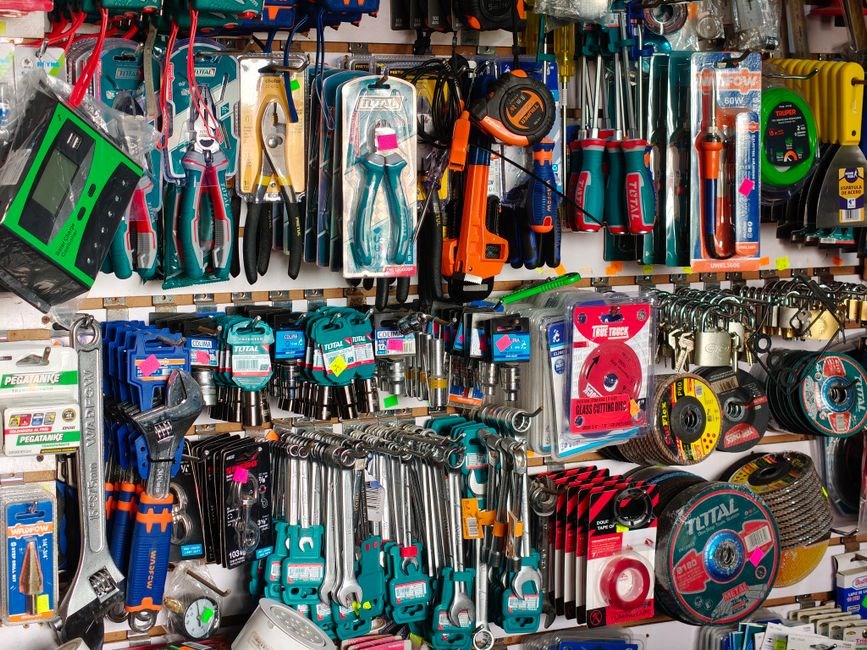
Tool names follow a structured pattern: manufacturer code, model number, and function descriptor. Examples include “Linemans Pliers MT550,” “Combination Pliers 200mm Gedore,” and “Electrician’s Apprentice Tool List.” PDFs list these names with high‑resolution images for quick reference. See PDF catalog.!
Manufacturer Naming Schemes
Manufacturers encode tool identity through a systematic alphanumeric scheme that merges brand, model, and function. A typical pattern seen in PDFs is Brand‑Code‑Model‑Feature, as illustrated by entries such as Linemans Pliers MT550, Combination Pliers 200mm Gedore, and Electrician’s Apprentice Tool List. The code often reflects tool size or grip type; for instance, “MT550” denotes a 550‑mm long‑nose pliers with a Comfort Grip, while “MT500” indicates a Dipped Grip variant. Manufacturers also append descriptive tags to clarify usage: “Crimper & Bolt Cutter” signals dual functionality, and “Five Layer Tool‑box (Cantilever Type 550mm)” specifies a storage solution. In many catalogs, the naming scheme is accompanied by a high‑resolution image that anchors the name to its physical form, enabling quick visual confirmation. PDFs may also include a brief specification sheet that lists dimensions, material, and safety ratings, all tied back to the naming convention. This systematic approach ensures that technicians, engineers, and procurement staff can unambiguously identify, compare, and order the exact tool required for a job, reducing errors and streamlining workflow across the electrical industry.
In practice, manufacturers often provide a naming key in the PDF, mapping each code to a detailed description. For example, a “MT550” code might be broken down as: M – model series, T – tool type, 550 – nominal length in millimeters. This key aids technicians in quickly verifying tool specifications without consulting external references. Additionally, many PDFs embed hyperlinks to manufacturer datasheets, allowing instant access to torque tables, safety certifications, and installation guides. By standardizing naming across catalogs, organizations reduce miscommunication, streamline procurement, and ensure compliance with industry regulations. All codes are labeled!!
Industry Standard Terms
In electrical tool catalogs, a set of industry‑wide descriptors allows professionals to instantly recognize function and specification. Common terms include Linemans Pliers, a staple for pulling and cutting conductors, and Combination Pliers, which combine cutting, gripping, and bending in one handle. Long‑Nose Pliers and Diagonal Pliers provide reach and angled access to tight spaces. The Crimper & Bolt Cutter combo is a dual‑purpose tool that crimpes connectors while cutting excess wire.
Storage solutions are identified by terms such as Five‑Layer Tool‑Box (Cantilever Type 550 mm), indicating a modular box with a cantilevered shelf for easy access. Comfort Grip (MT550) and Dipped Grip (MT500) describe ergonomic handle designs that reduce fatigue. The Electrician’s Apprentice Tool List is a curated set of items recommended for entry professionals, often accompanied by a Guarantee Lifetime 9 warranty clause.
Measurement and alignment tools carry labels: Steel Ruler, Tape Measure, Divider, and Spirit Level. Cutting accessories include the Bastard Flat File (300 mm with Handle) and the 2nd Cut Square File (10 mm × 10 mm with Handle). Punching implements are listed as Ball‑Pein Hammer (300 g), while locking devices appear as Pad Lock. In woodworking and general craft sections, the same terminology is applied to Screwdrivers (standard, Philips, stubby, Allen), Hammers (claw, mallet, ballpeen), and Pliers (combination, side‑cutting, long‑nose).
Abbreviation Practices
When compiling tool catalogs in PDF format, concise labeling is essential. Engineers rely on standardized shorthand to convey function, size, and compliance. Common electrical abbreviations include V (voltage), A (current), Ω (resistance), W (power), kW (kilowatts), kVA (kilovolt‑amperes), Hz (frequency), and kA (kiloamperes). Tool categories use single‑letter codes: P for pliers, S for screwdriver, H for hammer, T for tape measure, R for ruler, L for level, F for file, B for bolt cutter, C for crimper, V for voltage tester, M for multimeter, CM for clamp meter. Size notation follows metric or imperial units, such as mm, in, oz, and lb. Compliance identifiers include UL, CSA, CE, ISO, IEC, and RoHS. Document‑level tags like PDF and EOL (end of life) aid in version control. Original equipment references use OEM. Consistent application of these abbreviations enhances readability and cross‑referencing across multiple PDFs. These concise codes streamline catalog navigation, reduce printing costs, support automated data extraction, and enhance compliance tracking for inventory systems.
Visual Identification of Tools in PDFs
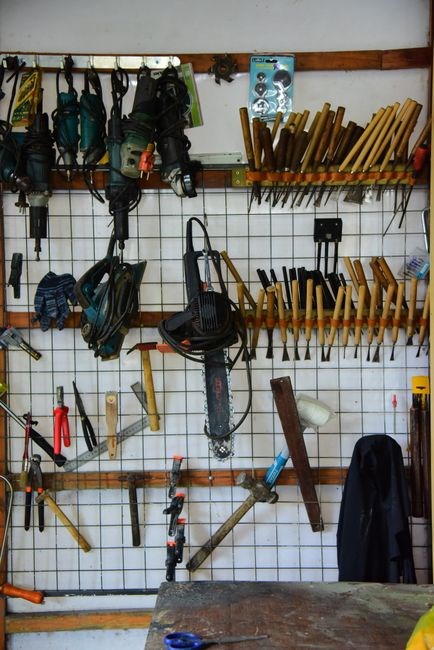
High‑resolution images in tool PDFs enable quick ID. Labels show brand, model, size, and safety codes. Color‑coded icons highlight voltage class, while zoomable thumbnails reveal fine details. Consistent layout ensures engineers locate items fast, improving workflow.!

High-Resolution Tool Images

In modern electrical tool catalogs, high‑resolution images are essential for accurate identification and quality assurance. These images, typically captured at 300 dpi or higher, provide crisp detail of tool geometry, markings, and safety labels. By embedding them directly into PDF documents, manufacturers enable engineers to zoom in on fine features such as thread pitch, insulation thickness, and connector types without leaving the digital file. Many suppliers use vector graphics for schematic overlays, ensuring that scaling does not degrade visual fidelity. The images are often accompanied by metadata tags that encode brand, model number, and compliance certifications, allowing automated search tools to index and retrieve specific tools quickly. Furthermore, high‑resolution snapshots of tools in use—such as a plier gripping a live circuit—offer contextual clues that help technicians verify correct application. When PDFs include interactive image hotspots, users can click on a tool component to reveal exploded views or 3‑D models, bridging the gap between static documentation and dynamic training modules. For archival purposes, the PDFs are saved in PDF‑A format, preserving color profiles and ensuring long‑term readability. The result is a comprehensive, searchable repository where every electrical tool is represented with visual clarity, supporting both field troubleshooting and classroom instruction.
These PDFs also support thumbnail previews, enabling quick browsing of thousands of tools without opening each file,include tool‑specific metadata now
Annotated Tool Diagrams

Annotated diagrams in electrical tool PDFs combine schematic overlays with descriptive labels to convey functional details. Each diagram highlights key components—such as the handle grip, cutting edge, and safety guard—using callouts that reference manufacturer specifications and safety standards. Engineers can click on a highlighted region to view a pop‑up box containing the tool’s model number, voltage rating, and compliance certificates (UL, CSA, IEC). The diagrams are generated from CAD files exported as vector PDFs, ensuring that scaling does not compromise line quality. Color‑coding is applied to differentiate tool families: blue for pliers, red for cutters, green for measuring instruments. The annotations also include cross‑sectional views that reveal internal mechanisms like spring tensioners or insulated cores, which are critical for troubleshooting and maintenance. By embedding hyperlinks to related datasheets, the PDFs allow users to navigate from a diagram to a detailed spec sheet without leaving the document. This integrated approach reduces the need for multiple reference materials and speeds up field diagnostics. In training modules, the same annotated diagrams are used in interactive quizzes where users must identify the correct tool part based on a prompt, reinforcing learning through a visual engagement. Overall, annotated tool diagrams serve as a bridge between raw product images and comprehensive technical documentation, enhancing usability for both seasoned professionals and newcomers. In guide offers tool comparison charts in.!

PDF Formats for Tool Catalogues

Tool catalog PDFs adopt the PDF/A standard for long‑term preservation, embedding high‑resolution images of names and photos. They use tagged PDFs to support screen readers, and interactive forms for quick search. The layout includes a searchable index, thumbnail gallery, and clickable links to datasheets!!!

Interactive PDF Features
Modern electrical‑tool catalogs use interactive PDFs to streamline procurement and training. Key features include:
- Bookmarks and table of contents for instant navigation.
- Hyperlinked product codes that open manufacturer datasheets.
- Interactive form fields for quick order entry and custom notes.
- Layered graphics that reveal wiring diagrams when toggled.
- JavaScript‑enabled search that highlights matching tool names.
- Embedded video tutorials demonstrating proper usage.
- Dynamic tables that auto‑update prices from a linked database.
- Accessibility tags for screen readers and high‑contrast mode.
- Print‑optimized layouts that preserve image resolution.
- Export options to CSV or Excel for inventory management.
These interactive PDFs also support filtering, and users sort tools by voltage rating, current capacity, brand and and and and. The embedded JavaScript validates form entries against safety standards, preventing accidental selection of incompatible parts. Moreover, the PDF can be synchronized with a cloud database, ensuring that any price or availability changes are reflected in real time without manual updates.
Finally, the PDF includes a feedback form that captures user experience data. The data feeds into an improvement loop, allowing manufacturers to refine tool images documentation accuracy. The result is a catalog that grows with the industry, ensuring engineers always have up‑to‑date resources at their fingertips.

Curating a Comprehensive Tool PDF Library
Curating a comprehensive PDF library of electrical tools involves gathering high‑resolution images, accurate names, and detailed specs. Organize by brand, type, and function, tag each file for searchability, and maintain a consistent naming convention to streamline retrieval and updates. Version control. now
Sourcing Reliable Tool Datasheets
When building a dependable electrical‑tool PDF archive, the first step is to locate manufacturer datasheets that contain both nomenclature and high‑resolution imagery. Most leading brands—such as Gedore, Nicholson/Pferd, Venier, and Viro—publish downloadable PDFs on their official sites. These documents typically include part numbers, model names, and technical drawings that can be embedded directly into a catalog. A systematic approach involves creating a spreadsheet that lists each tool’s unique identifier, description, and a link to the source PDF. Use consistent naming conventions (e.g., “Linemans Pliers – MT550”) to avoid duplication. Verify image quality by checking DPI values; a minimum of 300 dpi ensures clarity when printed or zoomed. For tools that lack official PDFs, consult third‑party distributors or industry standards bodies such as the IEC or ANSI, which often provide reference sheets. Once the data is collected, convert PDFs to searchable formats using OCR software, and store them in a version‑controlled repository. Regularly audit the library against new product releases to keep the collection current. This disciplined sourcing process guarantees that every electrical tool listed in the PDF has an authoritative datasheet backing its name and image, thereby enhancing reliability for engineers and technicians alike.
In addition, maintain a metadata registry that captures revision dates, author names, and compliance tags. This enables quick filtering when integrating the PDFs into a knowledge base or when generating compliance reports. Leverage cloud storage with access controls to protect intellectual property while allowing authorized personnel to retrieve the latest versions. Periodic backups and checksum verification guard against corruption, ensuring the library remains a trusted resource for teams worldwide!